Have you ever wondered how to make some of those special powders, that you get in restaurants? You can! You’d be surprised how simple it is.
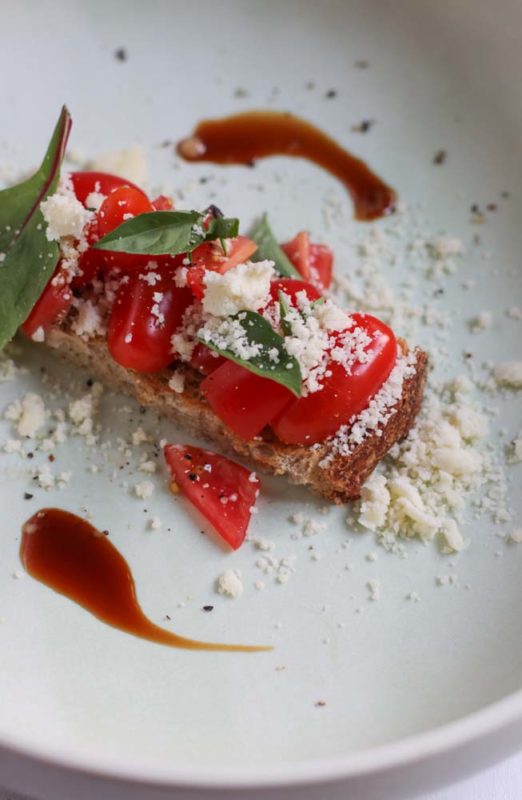
I’m going to show you how to make Nutella powder and while we are here, Peanut butter (nut butter) or even Olive oil powder to amp up the style like a true Masterchef.
What do I do with flavoured powders?
This technique creates a powder that melts beautifully in the mouth.
Turning Nutella or even Peanut butter into a powder is very easy. The powders are used to add to appearance as well as add a surprise flavour element you may not be expecting. It’s a fun addition to a dish and one that seems to impress and delight people too!
This is a magical way of transforming ingredients from liquid or solid into powder to add a new dimension to your dish. The powder melts in your mouth as soon as it has contact with your tongue. The sensation is pretty cool.
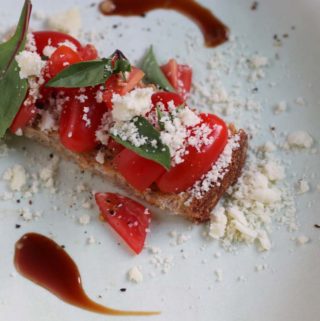
You can even use liquids with high fat content such as olive oil. Olive oil powder is also lots of fun. It can be used as a plate garnish on dishes such as tomato bruschetta, melting in the mouth each bite. Imagine using it with bacon fat, caramel, condensed milk, white chocolate or coconut oil.
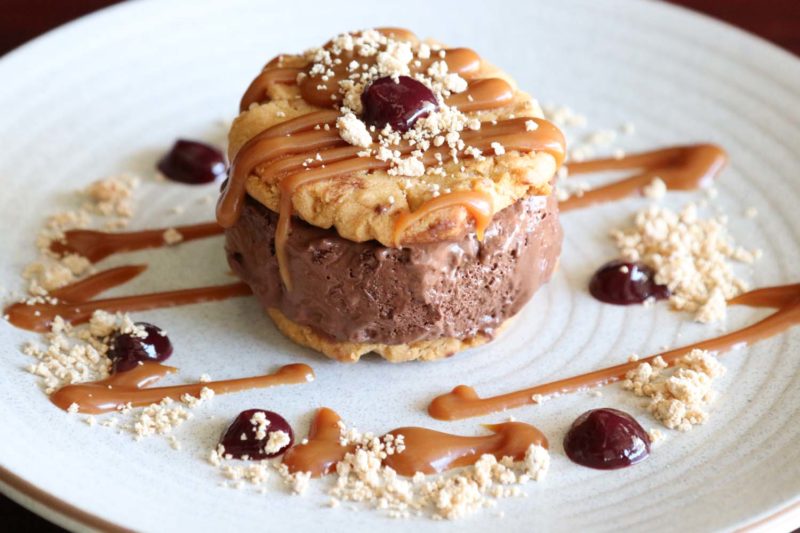
The picture below shows Peanut Butter Powder on a Chocolate Ice Cream Sandwich. How good does that look?
Whats the science behind making powders?
To transform high fat content ingredients into powder you need to use a specific type of Tapioca Maltodextrin called N-Zorbit M derived from the roots of tapioca.
It’s from sugar starch within a plant. This is the plant’s food reserve. The starch is broken down and dried out to a powder. It’s a lightly sweet white tapioca flour and it magically binds fats into a powder!
Maltodextrin is used extensively in the food industry. It’s added as a thickener in instant pudding, sauces, and salad dressings. It’s also used as a preservative that increases the shelf life of packaged foods. The oil or fat isn’t removed it’s just trapped in the network.
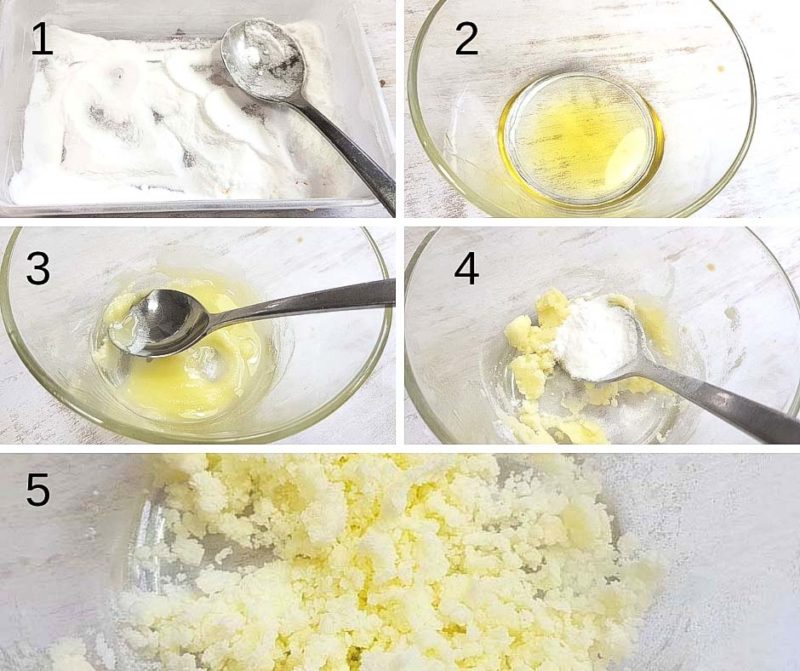
This is what it looks like when you make olive oil “powder”.
- 1. Below is the Maltodextrin N-zorbit M powder.
- 2. Tablespoon of olive oil
- 3. and 4. mixing the oil with the maltodextrin powder
- 5. The olive oil is now a powder
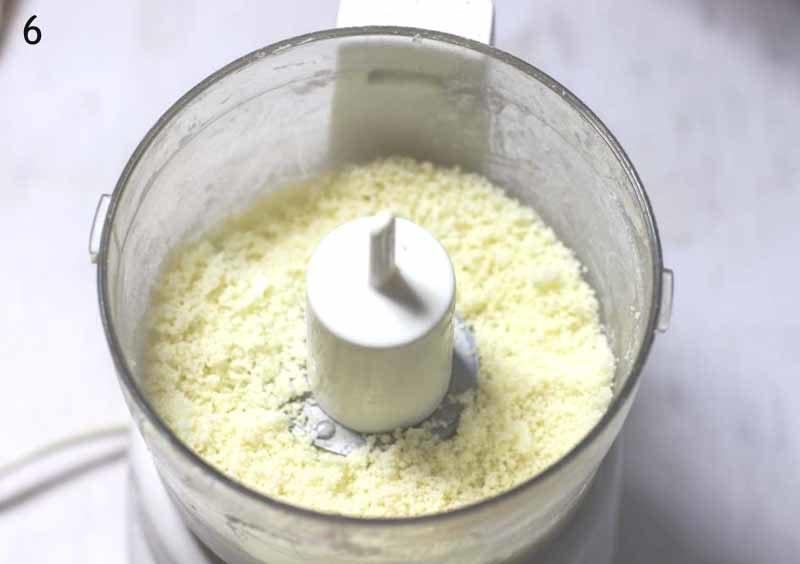
- 6. This powder has been made by adding the ingredients to a food processor to bring them together
The best way to make flavoured powders
The ingredient you are using should be as liquefied as possible, so if it’s coconut oil, white chocolate or bacon fat it needs to be melted to room temperature. Pastes like Nut Butter and Nutella are right to go just as they are.
The next step is to mix your ingredients with the powder.
Here’s the choice a) mix it by hand b) use a food processor
Tips for success.
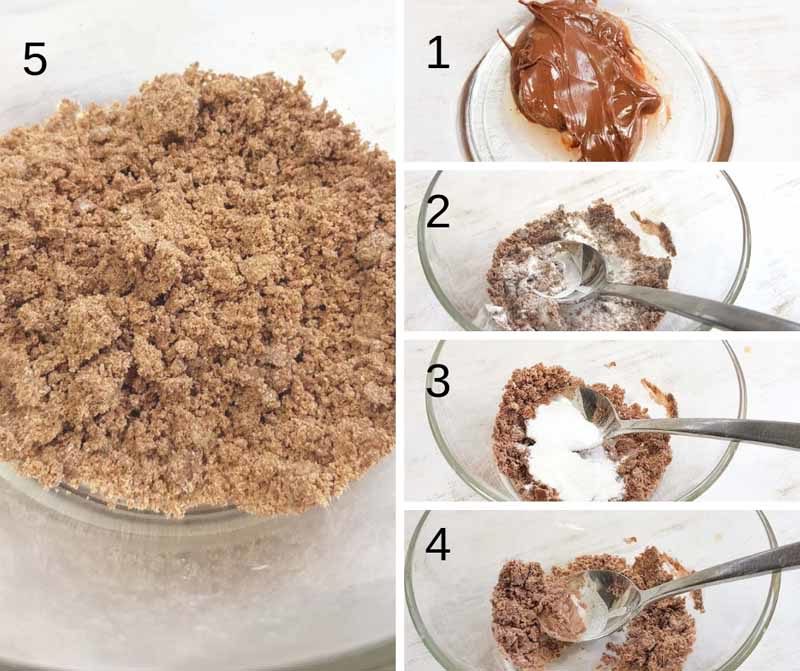
a) To start put the ingredient (nutella, white chocolate etc) into a small bowl. Add the Maltodextrin (M Zorbit) and stir with a spoon until the powder is combined.
If the mixture is still sticky add more powder a little bit at a time while mixing in. It can be pushed through a fine sieve at the end. This will make it light and airy
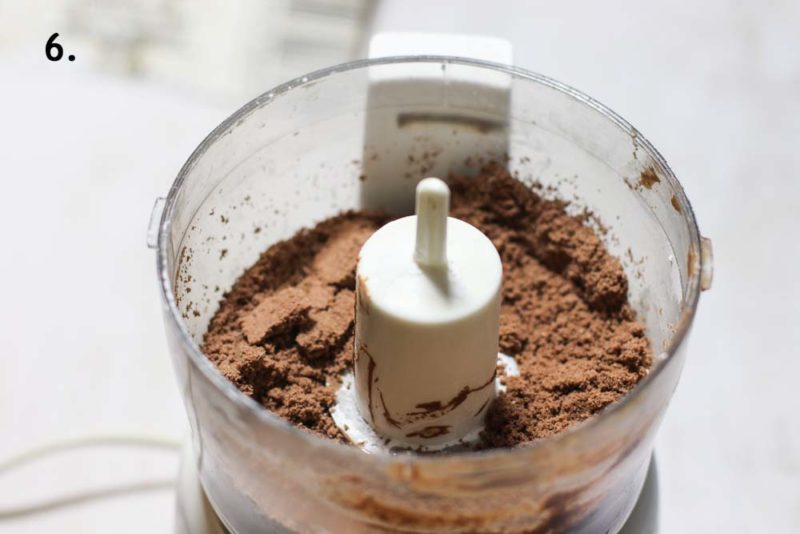
b) Or grab a food processor, add nutella or peanut butter (or another), and add the maltodextrin powder, and blitz together in short bursts, scraping off any bits on the sides. You should be left with a powder.
If its still not as powdery as you like you can add a little more maltodextrin till it is fluffy.
The important ratio
The general ratio is 40% fat to 60% Tapioca Maltodextrin. This will only change a little with the more liquid ingredients. That means if you will need to add a little extra maltodextrin for ingredients like olive or coconut oil.
Here’s an example.
If you are making Nutella powder you might start with
- A heaped spoon of Nutella in a bowl
- Begin adding the Maltodextrin Tapioca powder in an equal amount and stir well
- Keep adding small amounts and stirring
- Your powder will start to look evenly coloured and the powder will be distributed throughout leaving a nice clumpy coloured powder. If you need to add more powder do it one small at a time.
- Once finished you can push the finished powder through a sieve to make it very smooth. This is optional.
- This picture shows the Nutella powder made in the food processor. It’s very quick and a good way to make it
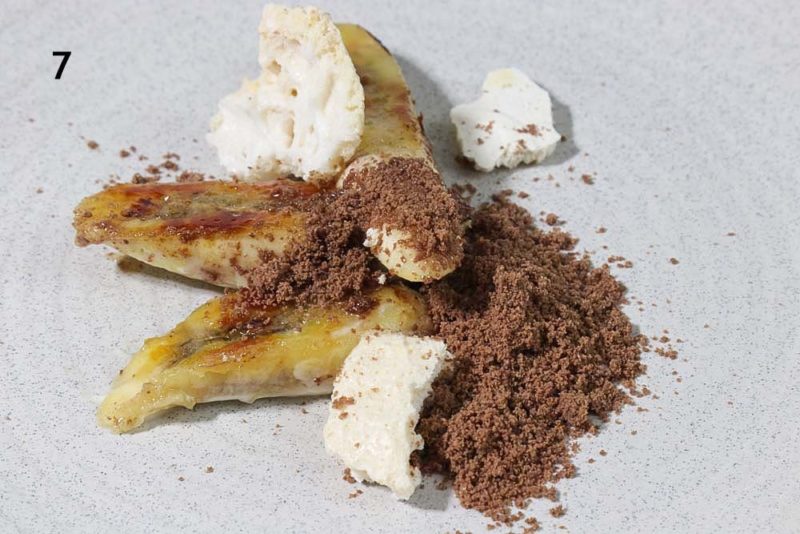
- These caramelised bananas are perfect with nutella powder and meringue
 FAQS
FAQS
- Use this powder on all kinds of desserts.
- The powder keeps in an airtight container for around 3 weeks
- The powder will get soggy if added to liquid ingredients. For example onto a drink
- The conversion to a powder doesn’t change the calories and kilojoules of the ingredients. If it is nutella or peanut butter it will contain the exact same amount of fat and sugar as it did before you made it into a powder.
Related recipe:
You can use Peanut Butter Powder on this ICE CREAM SANDWICH recipe
Rate the recipe and leave a comment to let me know how it turned out!
What kind of powder did you make ? Follow me on Instagram, post a photo and tag @mykitchenstories.
I love to see what you’re making!
Powdered peanut butter or nutella

Ingredients
- 60 gm nutella (1/4 cup Aus) or peanut butter ( or other fat or nut butter)
- 80 gm Tapioca Maltodextrin Add a little extra at a time depending on the fat
Instructions
- Put the nutella (or other fat) into a bowl and add the Tapioca Maltodextrin N-Zorbit M. Stir to combine with a fork till all the powder is mixed through.
- Add a little more powder if the mixture isn't a clumpy slightly sticky powder. Add more maltodextrin a bit at a time as necessary.
- Push the final powder through a sieve so it is light and fluffy.
- Alternatively put the paste and the maltodextrin into a food processor and blitz till you have a fluffy powder.
Notes

Thanks, Tania, for explaining the science behind this recipe. I can’t wait to play around with it!
Is it possible to use this recipe to make a shelf-stable long-term peanut butter powder? [Like you could buy from a survival store?) Can you email your response too please? rwoosley55@gmail.com. TIA.
Hi Beck
Yes this makes powder that you can keep
I have kept it for weeks on end. I usually refrigerate it though to keep it fresher.
I am not a manufacturer however I just make this kind of thing to serve as a dessert.
It will keep just like peanut butter does.
Tania
Yehhhh….it is yummy thanks for sharing
Thanks for reading!!
So very interesting Tania…who knew you could do something like this at home.
Yes I know it is very intriguing isn’t it?
Wow, who knew this could be so easy?!!! Thanks, Tania, for explaining the science behind this recipe. I can’t wait to play around with it!
Thanks for visiting Liz. Hope you have fun making it
Ooh I always see these powders in restaurants but never knew how to make them!
Yep easy isn’t it?.